Floor Laying Patterns Explained: Finding the Right Style for Your Home
Choosing a new floor is exciting. The colour, finish and material all play a part in the finished look, but one detail that’s often overlooked is the laying pattern.
The way your flooring is installed can completely change the feel of a room. Some patterns create a clean, modern appearance, while others add character and movement, or even make a space feel larger.
If you’re planning new flooring, here’s a guide to some of the most popular laying patterns and where they work best.
Straight Lay, A Timeless Favourite
The straight lay pattern is exactly what it sounds like. Each plank or tile runs parallel with the next, creating clean, uninterrupted lines across the room.
It’s the most common installation method because it’s simple, versatile and suits almost every interior style.
Straight laying works particularly well in:
Living rooms
Bedrooms
Hallways
Open plan spaces
It also tends to be the most cost-effective installation because there’s less cutting and material waste.
Herringbone, Classic with a Contemporary Twist
Herringbone has become one of the most sought-after flooring styles in recent years.
Instead of running in straight lines, the planks are laid in a repeating zigzag pattern, creating movement and visual interest without feeling overpowering.
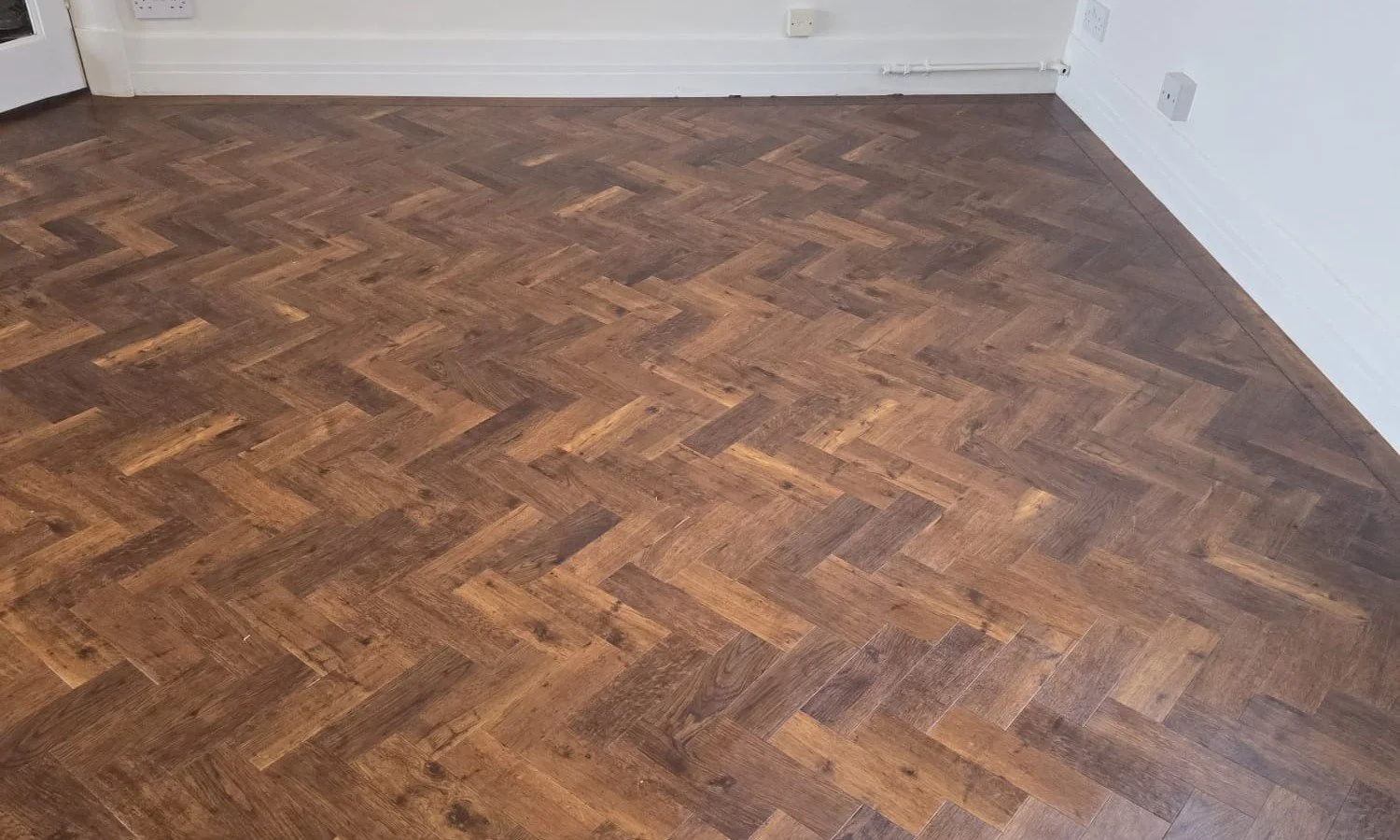
Herringbone is ideal if you want your flooring to become a feature of the room. It works beautifully with wood and luxury vinyl flooring and suits both traditional and modern homes.
It can make entrance halls, dining rooms and living areas feel more luxurious and bespoke.
Angled or Diagonal Laying
Rather than laying the flooring square to the walls, an angled pattern places the boards at around 45 degrees.
This simple change can completely transform a room.
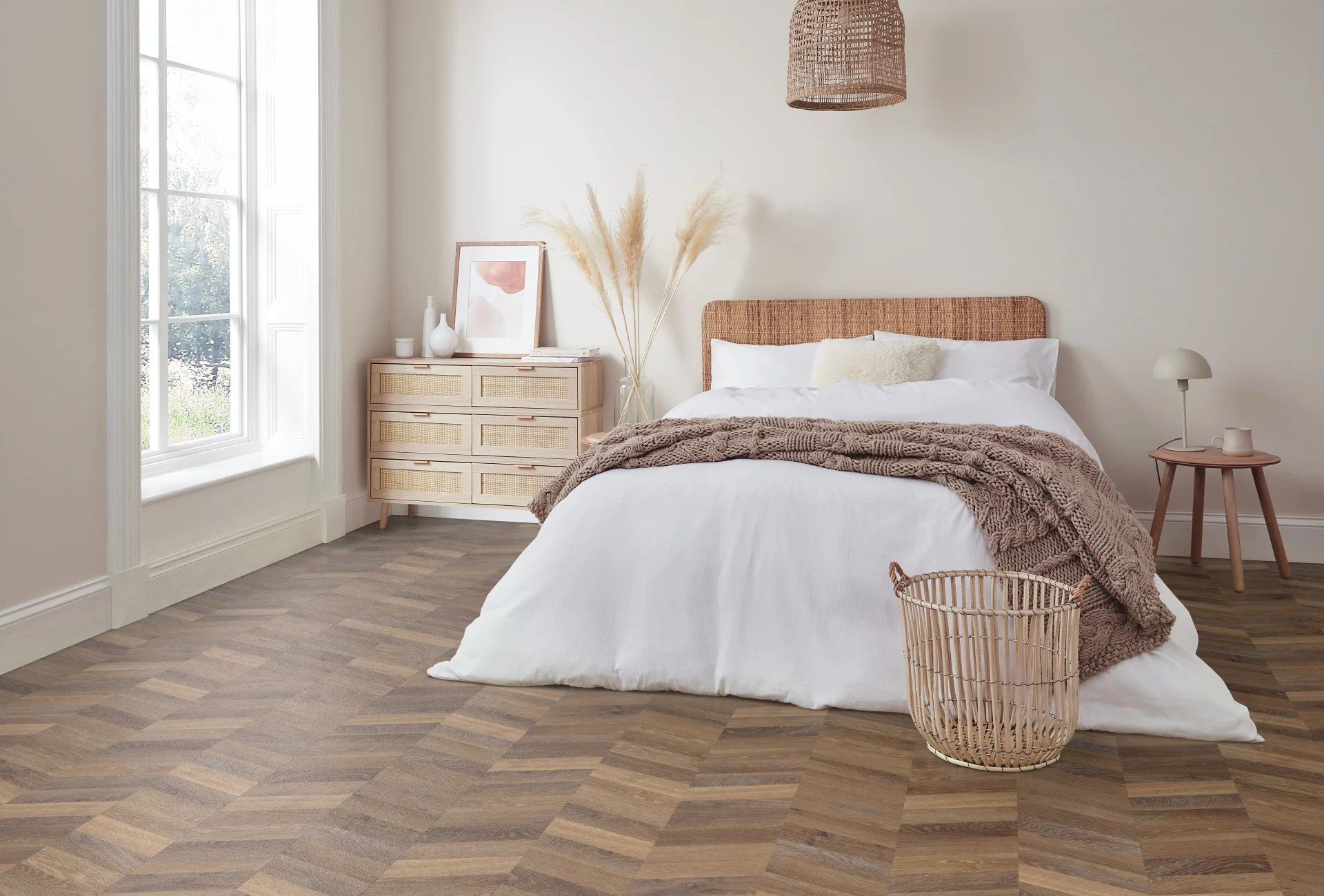
Diagonal layouts often make smaller rooms appear wider and help draw the eye through the space. They’re particularly effective in awkwardly shaped rooms where a standard straight pattern might highlight uneven walls.
Although installation takes a little longer, the finished effect can be well worth it.
Brick Pattern
A brick pattern is commonly used with rectangular tiles, but also works well with certain flooring products.
Each row is offset from the previous one, much like traditional brickwork.
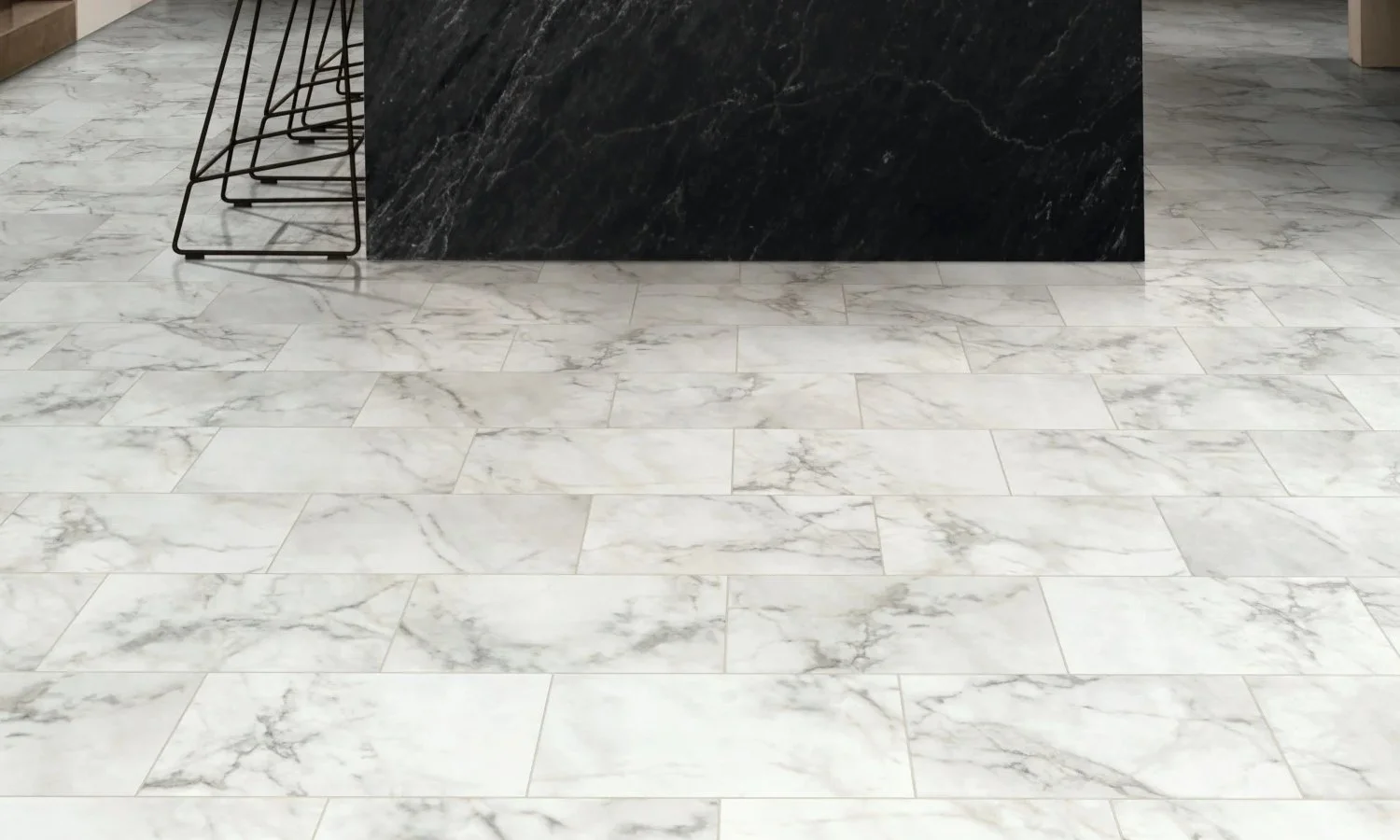
The staggered joints create a softer, more relaxed appearance than perfectly aligned rows. It also helps disguise minor imperfections and can give a room a natural flow.
This pattern works well in kitchens, bathrooms and utility rooms where a practical yet attractive finish is needed.
Block Pattern
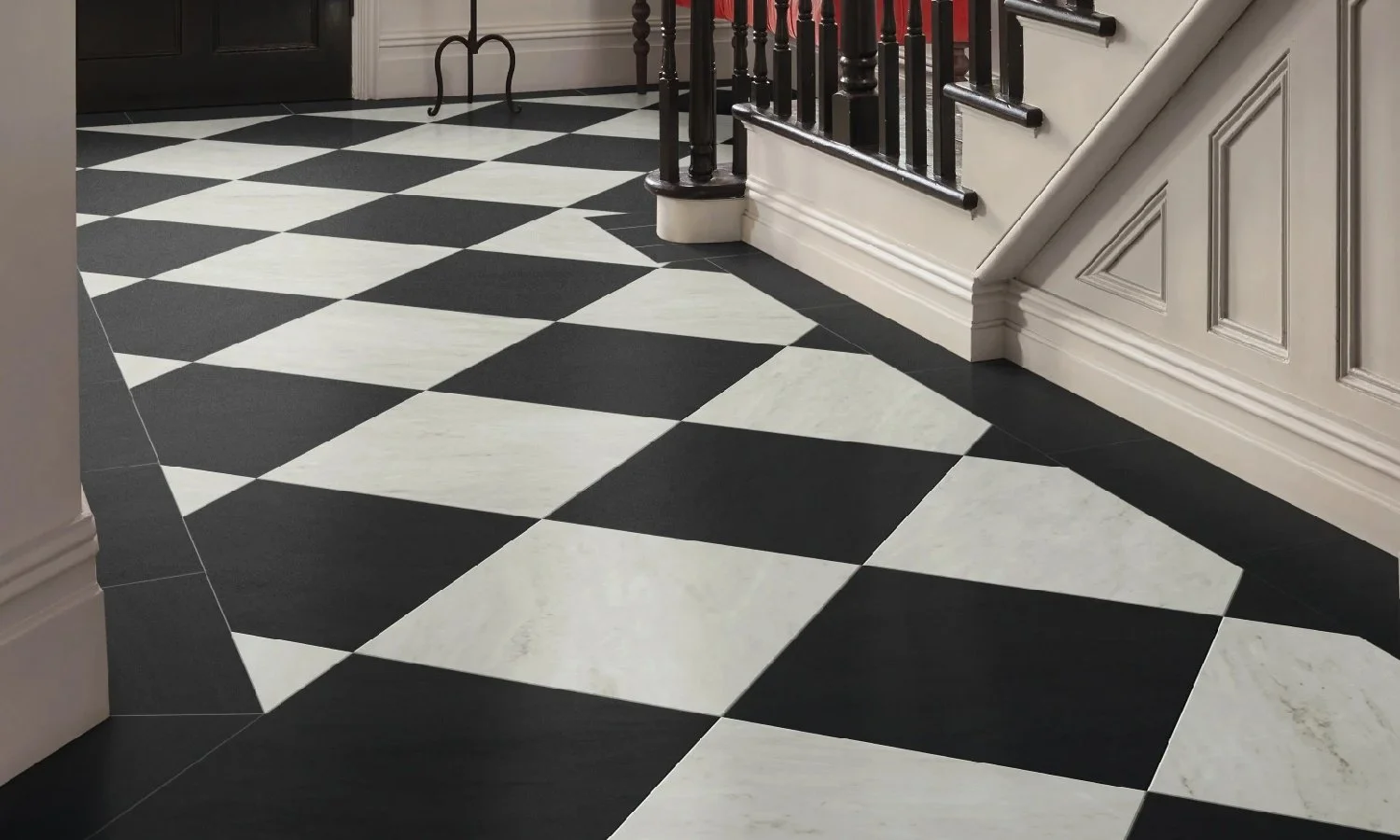
The block pattern groups flooring into squares or blocks rather than long continuous rows.
Depending on the product, the grain direction can alternate between each block to create subtle contrast and added texture.
This style is often associated with parquet flooring and gives rooms a more decorative appearance without becoming overly busy.
Block patterns suit larger spaces where the design has room to stand out.
Mixing Laying Patterns
Who says you have to stick with just one?
Combining different laying patterns can help define areas within an open-plan home or create a truly bespoke finish.
For example:
Straight laid flooring throughout with a herringbone entrance.
Herringbone in a dining area flowing into straight-laid flooring in the kitchen.
Brick pattern in utility areas paired with straight flooring elsewhere.
When planned carefully, combining patterns adds personality while maintaining a cohesive look throughout the home.
Which Pattern Is Right for You?
The best choice depends on several factors, including:
The size and shape of your room.
Your preferred interior style.
Your flooring material.
Your budget.
A simple straight pattern may suit a minimalist home perfectly, while herringbone or block patterns can create a statement in larger spaces.
The good news is there isn’t a right or wrong answer. It’s about choosing a layout that complements your home and the way you live.
Need Some Advice?
If you’re unsure which laying pattern would work best, we’d be happy to help.
Our experienced team can guide you through the options, explain what works with different flooring products and help you create a floor you’ll enjoy for years to come.
Visit our showroom or get in touch to discuss your next flooring project.